
Paying for Mobile Casino Games by Phone Bill in Australia: How Carrier Billing Works and What Limits Apply
Phone bill deposits turn your mobile account into the payment instrument: the casino passes the charge to your carrier, and the amount appears on your next bill or comes out of prepaid credit. That is the attraction for players who would rather not enter card details on a gaming site. The trade-off is control. Carrier billing usually suits small, occasional stakes, and the amount you can charge this way is set by your mobile provider rather than by the casino. Games with low minimum bets, such as many pokies and simple table games, fit that pattern more comfortably than high-limit tables or large single wagers.
Whether a particular site accepts this method is a separate question from whether it holds a licence or how good its game library is. Payment methods vary between sites and between carriers, which means one casino might offer phone billing to a particular mobile account while another account on the same network cannot use it. The pages that follow separate the general mechanism from operator-specific terms, because mixing the two is how players end up assuming a deposit route exists when it does not.
newest online casino no deposit bonus: terms, caps and eligibility
See also:
- How Paying by Phone Bill Works at an Online Casino
- Operator comparison: payments, accounts and verification
- Ripper Casino
- RocketPlay
- Royal Reels
- SkyCrown
- VegaStars
- Checking Whether a Casino Accepts Phone Bill Deposits Before You Sign Up
- Practical Limits to Expect with Carrier Billing
- Which Casino Games Suit Small Phone Bill Deposits on Mobile
- Alternatives When Carrier Billing Is Not Available or Not Enough
- Common Questions About Paying by Phone Bill
- Gambling Safely and Staying in Control in Australia
How Paying by Phone Bill Works at an Online Casino
The carrier sits between your phone and the casino
A phone bill deposit is not a card payment with a different label. When you choose that option at the cashier, the casino asks the mobile carrier to place a charge on your account. The carrier authorises the amount, and the casino credits your player balance once that authorisation is confirmed. No card number changes hands; your mobile number is the identifier, and the carrier is the party that collects the money from you.
That three-party arrangement explains most of what follows. The casino receives confirmation from the carrier, but the carrier decides what your service allows. If your plan is prepaid, the charge typically comes out of existing credit; on a postpaid account it appears on the next bill. Either way, the carrier’s authorisation is a spending gate, not a store of funds, so the amount you can charge depends on your own service status at the moment you deposit.
What the carrier’s role means for your account
The carrier is also why a phone bill deposit often carries more conditions than other methods. Charges may be capped per transaction or per period, and the carrier may decline one for reasons that never reach the casino’s dashboard. From the player side, that looks like a failed deposit with no clear explanation. The reason sits with the carrier, not the game.
Spending the credit does not settle any withdrawal question. Funds that arrive through carrier billing are collected by the carrier, so a casino generally has to return winnings through another channel it can verify, such as a bank transfer. Confirm which withdrawal routes the site lists before you pay funds in, because a payout method you cannot access turns a convenient deposit into a stranded balance.
Operator comparison: payments, accounts and verification
Choosing where to deposit starts with the device in your pocket. If the cashier does not render properly there, the deposit method list means very little.
| Brand | Details |
|---|---|
| Ripper Casino | Ripper Casino deposits start at A$20 in AUD, and typing the password each session keeps a convenience feature from becoming an accidental repeat deposit. |
| RocketPlay | Players must be 18 or older; suspected underage accounts are verified and may be deleted. |
| Royal Reels | Minimum deposit is $10 and minimum withdrawal is $20, both in Australian dollars. |
| SkyCrown | Match the payment account name to your ID before depositing at SkyCrown; minimum deposit is €20 or equivalent. |
| VegaStars | Neptune Projects SRL, company 3-102-900308, operates VegaStars; Sultucia Limited handles payment processing. |
The rows let you weigh operators on the deposit types that work well from a phone. Pick two, open each cashier on your handset, and deposit the minimum to see which flow holds together.
Ripper Casino
Set your phone browser to remember Ripper Casino only if the device has a lock screen. Card and PayID details are convenient to store, but an unlocked handset is the weak point, not the encryption. Transactions run over 256-bit SSL/TLS, which protects data in transit rather than a lost phone. Use biometric or PIN lock and sign out if the device is shared.
RocketPlay
The cashier on a phone is a browser page, not an installed app, and that has a practical consequence for card details. Nothing is stored on the handset; the session lives in the browser, so signing out properly matters more than on a native app. Deposits usually clear instantly, card payments can take up to three business days, and the minimum is AUD 30.
Royal Reels
Before any mobile withdrawal clears, identity has to be confirmed. Royal Reels requires players to be 18 or older, and proof of age can be requested. A quick photo upload from your phone usually settles this, but the request adds a step between your cash-out tap and the money moving.
SkyCrown
What a phone cannot check is whether the money is yours. SkyCrown requires deposits to come from a bank, card or wallet account in the player’s own name, and it lists Trustly, Skrill, Neteller and Visa as methods. Dip under €20 or the equivalent and the deposit will not clear either.
VegaStars
There is no local Australian licence behind VegaStars, and payments made through an offshore operator do not carry the same protections as a locally regulated service. The named operator is Neptune Projects SRL, registered in Costa Rica, with a regulatory reference to the Tobique Gaming Commission. Run your own check on any payment request that arrives by message. A venue that relies on offshore processing is a reason to keep limits tight.
richard casino 3: what shared ownership tells you
Checking Whether a Casino Accepts Phone Bill Deposits Before You Sign Up
Open the casino’s banking or payments page and look for a method list that names carrier billing, mobile billing, phone bill or a specific carrier. A method that appears only in a promotional banner is weaker evidence than one listed among the deposit options inside the cashier.
Start the deposit in the cashier without sending money, and check whether a mobile number field appears alongside any Australian carrier selection. Selecting the method in the deposit screen shows whether it applies to your account and country; a method listed on a marketing page but absent from the cashier does not serve your deposit.
Read the deposit terms for the recognised carriers, minimum amounts and whether the credit is billed to your mobile account. A generic mention of mobile payments is not confirmation that phone bill deposits work for Australian numbers, because carrier billing depends on which carriers the processor supports.
Confirm the option inside your own logged-in account before relying on the method. New accounts may only show some deposit methods after identity verification or a first transaction, so the cashier view at account level is the condition that actually decides whether your phone bill can be charged.
Compare the operator’s terms and conditions against the account area. Where the terms and the cashier disagree, treat the narrower version as what applies and raise the conflict before sending money. General help pages or blog posts cannot establish that a method is enabled for your account.
Practical Limits to Expect with Carrier Billing
-
A carrier-billing deposit is charged to your mobile account or prepaid credit, so the practical ceiling is set by the telco, not the casino. Postpaid accounts usually let you add a modest amount to a monthly bill; prepaid accounts can only spend credit that is already loaded. Either way, the amount available for games is a sliver of what a card or bank transfer would allow.
-
Money sent this way generally cannot come back the same way. Winnings and remaining balances are returned through a different channel, which means the cash-out path depends on identity checks and a separate payment method being set up and confirmed. A balance built from phone deposits and a balance built from card or bank deposits are not interchangeable when you request a withdrawal.
bizzo casino bonus code: Wagering, Game Weighting and Deadlines
-
The result is a split balance in practice. Small phone-funded top-ups suit a short session on low-stake games, while anything larger needs a different funding route. Mixing the two without tracking which deposit came from where makes the eventual withdrawal harder to reconcile against the deposit history the casino holds.
-
Carrier billing also tends to carry less room for error. A failed or reversed charge can leave the account in a state the casino treats as unsettled, and the correction runs through the telco rather than the site’s cashier. Keeping phone-funded play modest reduces how much is tied up while that gets sorted.
-
Budgeting is easier when the phone bill is treated as a spending cap rather than a top-up button. Decide the amount before the session, note what has already been charged this cycle, and stop when that figure is reached. The printed bill or account app shows the running total; the casino balance alone does not.
-
Some players find the small ceiling useful. It limits how much can be committed in one sitting without any willpower required. Others find it frustrating and drift toward larger deposits elsewhere. Neither outcome is guaranteed, so the sensible move is to pick the funding method that matches the size of session you actually want.
Which Casino Games Suit Small Phone Bill Deposits on Mobile
Why spin and scratch formats absorb small deposits best
Carrier billing usually sits in a low range, since mobile billing is designed for small purchases rather than large transfers. That band sets the practical question: which game types let you play for a reasonable stretch without your stake disappearing in a few taps. Slot reels and instant-win formats answer it most directly, because their bet size is adjustable in small increments. A player can set the lowest stake the game allows and still take part in the full feature set, rather than paying a fixed sum just to sit down.
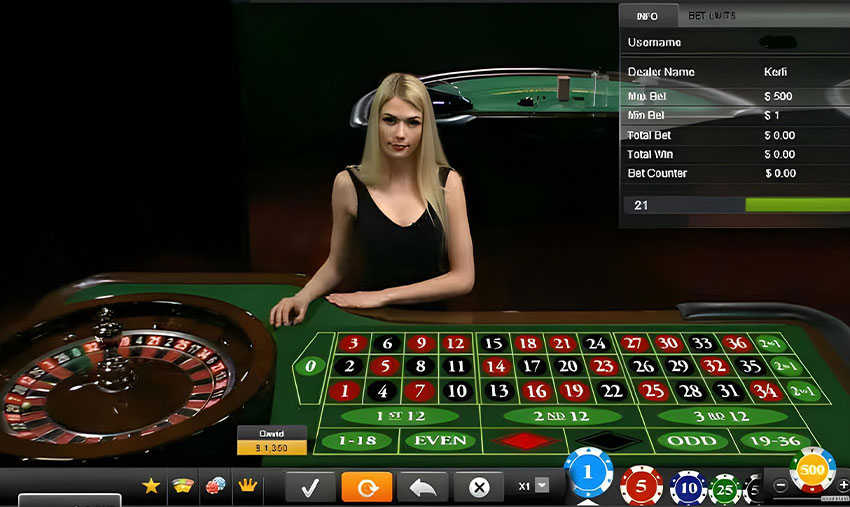
Table games such as blackjack or roulette carry a different constraint. Many mobile versions enforce a table minimum, and that minimum may sit close to or above what a single phone bill deposit can fund. Where the minimum is low, a small balance spreads further across hands or spins; where it is high, one deposit may buy only a handful of rounds. Live-dealer formats tend to sit at the higher end of that scale because the table is shared and minimums are set accordingly. The bet control, not the game’s theme, is what determines whether a small deposit is workable.
Matching the game’s unit cost to the deposit cap
What matters is the game’s minimum unit cost relative to the deposit ceiling, not the deposit alone. A slot with a very low minimum spin cost might yield a long session from a small balance; a game with a fixed entry price might yield very few rounds. Work out the side of the sum before you add money to the account: divide the funded balance by the game’s minimum bet to estimate the number of rounds it can cover. That estimate ignores wins and losses, so treat it as a floor on how far the balance stretches at worst.
Mobile delivery also affects the choice. Games that load quickly and survive an interrupted connection suit small balances better, because a reload mid-spin risks losing your place. Simpler reel games tend to load faster than graphically heavy live formats. If you plan to play across a tram ride or a lunch break, pick a format whose interface stays responsive on a phone screen.
Alternatives When Carrier Billing Is Not Available or Not Enough
Some players discover that carrier billing is missing from the cashier only after signing up, while others hit the monthly cap that the mobile network applies to charges placed on a phone bill. Either way the next step is a payment method, not a support ticket. The alternatives below differ in more than logo: they change when money leaves the player’s control, whether the same route can return a withdrawal, and what the player sees afterwards.
A card puts the transaction on a bank statement immediately. That single line, which may carry a descriptor rather than the casino’s trading name, is both the record and the limit of the record. An e-wallet inserts an intermediary account; deposits move from the wallet balance to the casino, and withdrawals often come back to that wallet, but only if the wallet is in the same name as the casino profile. A prepaid voucher or cash code is bought for a fixed amount and redeemed in the cashier, so the maximum exposure is set before play begins; the same route generally cannot receive winnings. A bank transfer usually credits after the casino receives the payment and is more often associated with withdrawals than with quick deposits.
free spins no deposit win real money australia terms
| Method | Time to balance | Withdrawal route | Spend record |
|---|---|---|---|
| Card | After authorisation is confirmed | Typically back to the card | Bank or card statement |
| E-wallet | After the wallet provider releases funds | Often to the same wallet, name-matched | Wallet app history |
| Prepaid voucher | On redemption of the code | Usually unavailable | Fixed value at purchase |
| Bank transfer | After the payment clears | Commonly used for payouts | Bank statement |
The trade-off that matters most for a mobile player is between speed and visibility. Carrier billing hides the cost until the phone bill arrives; a card or wallet shows each deposit as it happens. That visible record is easier to budget against, and it also makes an unexpected charge easier to trace. A prepaid voucher achieves a similar clarity by removing the option to deposit again once the code is spent.
Choose a card when the priority is a familiar deposit and a statement trail, an e-wallet when the priority is a mobile balance that can also receive a withdrawal, and a voucher when the priority is a hard cap on spending. Before depositing, read the cashier’s accepted-method list and any withdrawal notices on the site, because name-matching and method restrictions are common reasons a later payout is delayed or reversed.
Common Questions About Paying by Phone Bill
What happens to a pending carrier-billed deposit if I change mobile providers or move from prepaid to a plan?
A pending charge belongs to the number and carrier that accepted it at the time. Changing carriers or moving to a plan does not necessarily cancel it, and the new provider may not see it. Settle the outstanding charge with the original carrier before assuming it has gone.
Why does my phone bill show a casino charge but my casino balance is still empty?
The two records update on different timelines. The carrier posts the charge once it processes the transaction; the casino credits the balance when its own confirmation arrives. Keep the carrier’s transaction reference and quote it to the casino’s support, since that reference is what links the two records.
Can I withdraw winnings back to my phone bill, and what happens at cashout?
No. Carrier billing runs one way, so a cashout goes through a different method set up in the account. The balance is still yours to withdraw under the casino’s cashout terms; the phone bill simply cannot receive it.
Gambling Safely and Staying in Control in Australia
Gambling safely starts with decisions made before you open a site, not after a losing run. In Australia you must be 18 or older to gamble, and state regulators alongside ACMA oversee the market. BetStop is the national self-exclusion register: one enrolment blocks you from participating operators, and it covers every licensed service you might otherwise use. Set a spending and time limit in advance and treat both as fixed. A phone bill deposit makes spending feel small and repeated, which is exactly why the running total matters more than the single charge. Never chase losses. If gambling stops feeling like a choice, Gambling Help Online is available on 1800 858.